 01
01
 02
02 03
03 04
04
Sections
Origin and Vision strengthen a climate-tech investor pitch when they answer two investment questions. Why is this team unusually committed or qualified to pursue the problem? How can today’s wedge become a much larger company? They weaken the pitch when biography delays the business case or vision stands in for evidence, economics or a route to market.
Origin has one job
Origin should make the team’s relationship to the problem more credible. That may come from research, operating experience, technical work, lived experience or years inside the customer’s industry. Use it when it establishes founder-market fit, unusual insight, resilience or a reason the team sees the problem differently. Keep it tight. The investor is funding the company, so the story should hand into it quickly.
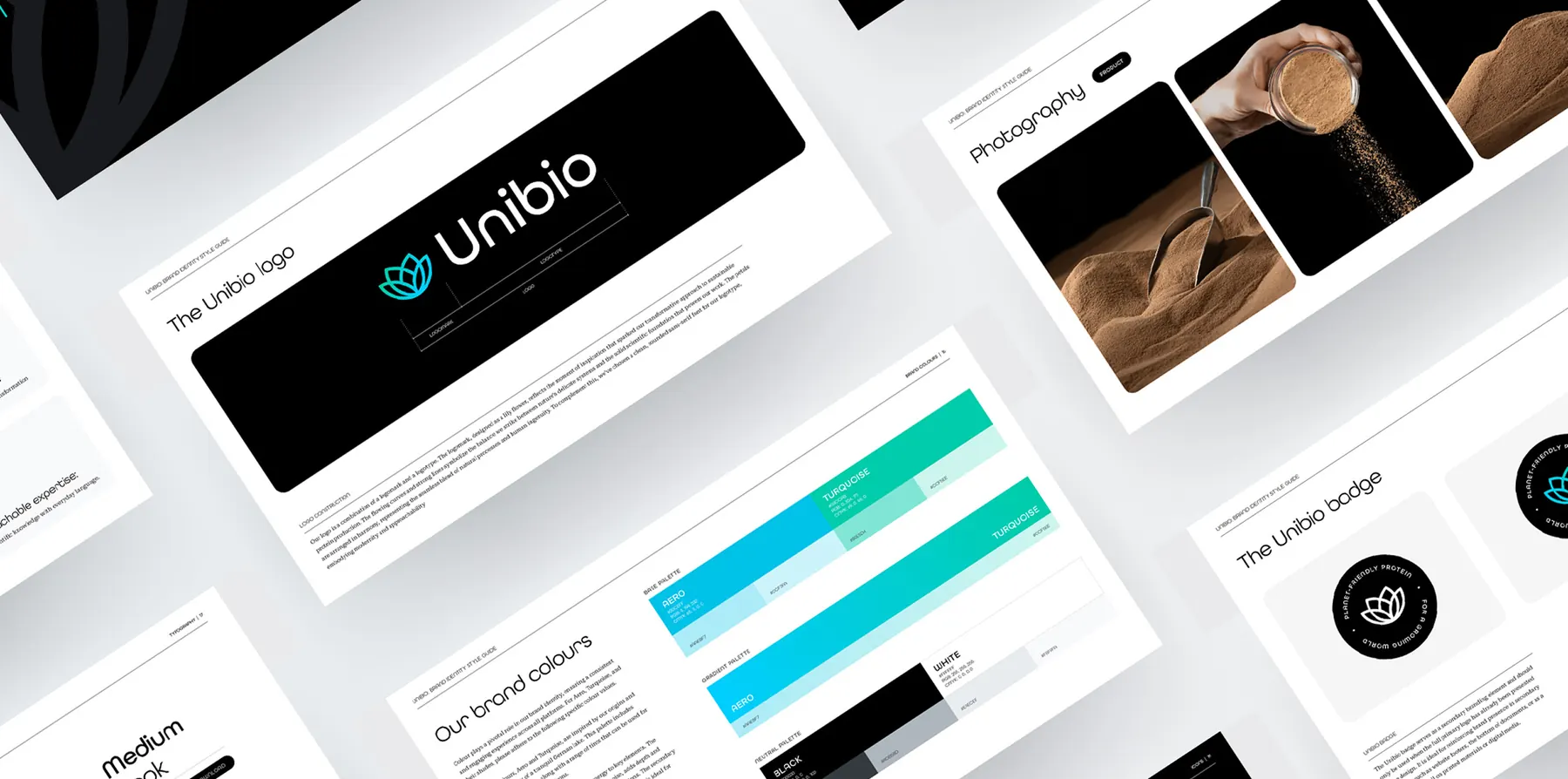
Opening an investor pitch with an emotional Origin Story is optional. If the investor already understands the problem and the company has strong commercial evidence, starting with the market or product may work better. Keep origin to a minimum when the founder story is generic, a later-stage operator leads the company or the audience already trusts the team. Unibio is a reminder that the company origin and the current leadership story can differ.
Vision has a different job
Vision explains the direction of scale. It helps the investor see how a credible entry point could become a significant business if the next assumptions prove true. An investor Vision Story answers five questions.
- What becomes possible at scale?
- Which market or capability expands after the initial wedge?
- What infrastructure, regulation or behaviour has to change?
- What makes the timing plausible?
- Which risks sit between today and that future?
A large future needs a visible route from the current company. Show the milestones that change the risk profile, such as technical validation, first commercial deployment, regulatory clearance, a repeat customer, plant economics, a supply agreement or whatever is material to the model.
A four-layer investor story
- Founder insight
Why did this team notice or understand the problem unusually well?
- Current wedge
What can the company do now, for whom, and with what evidence?
- Expansion logic
How does the wedge create access to a larger market or system role?
- Capital bridge
What does this round pay for, and which uncertainty will be materially reduced when the money has done its job?
When Vision becomes dangerous
- It is presented as an unsupported forecast.
- The market-size slide does the work of strategy.
- The company jumps from pilot to global dominance and skips the middle.
- The climate outcome is treated as proof of customer demand.
- The vision is so broad that every competitor can claim the same future.
Your pitch has to travel on its own
An investor may have to carry the case into an investment committee, so origin and vision need to make sense in your absence. Put the strategic point on the page as well as in your delivery. To test it, remove the founder from the room. A reader should be able to explain five things in two minutes.
- Why this team is credible.
- What the company can prove today.
- Why the opportunity can become large.
- What risk remains.
- What the round changes.
If they struggle, the investment logic needs work before it can travel, and more emotion leaves that gap open.
Tell us what needs to move.
Bring the brief if it is clear. If it is unclear, tell us where the work is stuck.
Bring us the problem