 01
01

 02
02 03
03 04
04Leadership communication keeps one story consistent across every room
The board meeting, the investor call, the partner negotiation, the conference stage and the all-hands each meet the company through one person speaking. Leadership communication prepares each of those people to carry the organisation’s strategic story.
How a leader’s voice drifts
Leaders adapt the story for each audience, and they should. Drift starts when the adaptations lose their common source. The CEO frames the company one way on stage and the CTO another way to a partner. After a year, the board, the team and the market each hold a different company in mind.
Every leader should speak from the same strategic story
An organisation needs one strategic story and as many voices as it has leaders. The story sets what the company is, why it exists, where it is going and what it can prove. Each leader brings their own register, expertise and examples, so a scientist founder speaks as a scientist, a commercial director as a commercial director, and both describe the same company.
So voice work starts with strategy. Once positioning, evidence and narrative are settled, drafting a speech, update or essay becomes a matter of selection and shape. That is why leadership communications sits beside positioning and brand work in the studio.
The communication we prepare with founders and executives
What we prepare
- Speeches and events
Keynotes, panel remarks and launch speeches, plus preparation for the questions that follow. We cover the argument, the evidence behind each claim and the few lines the audience should leave with.
- Board narratives and investor updates
Progress, risk and asks that match the story the company tells when it raises, on the steady rhythm boards and existing investors expect.
- Essays, newsletters and thought leadership
Arguments about their market that leaders can own, sourced from their own work and published on a rhythm they can keep.
- All-hands and internal communication
Talks, strategy briefings and notes that give the company one account of where it is going. Teams repeat it to customers, partners and candidates.
Our investor update template keeps achieved results apart from forecasts, and our guide to organisational storytelling covers purpose inside the company.
How we build a leader’s voice from the organisation’s story
How we build it
- Workshop with the leadership team
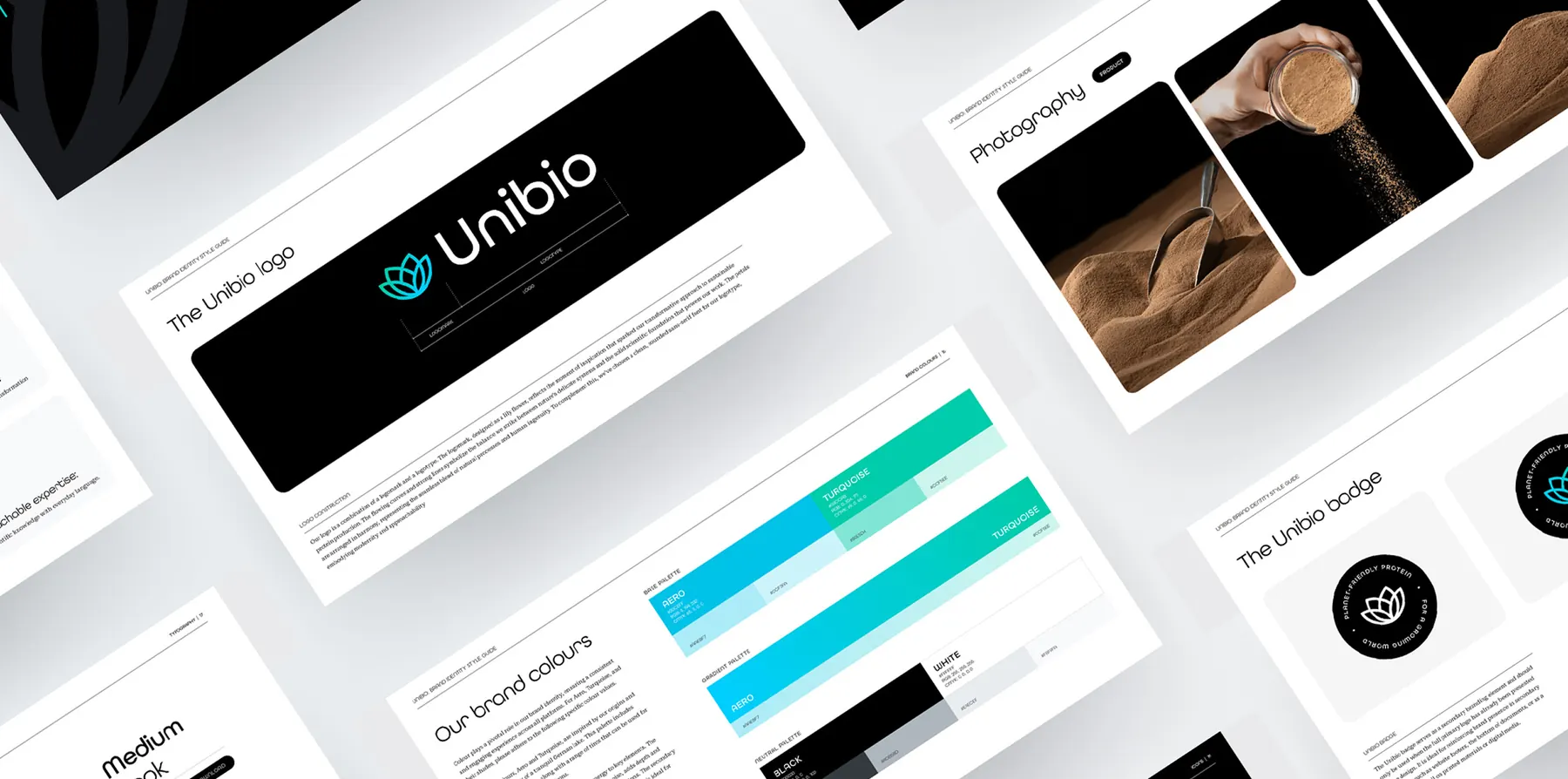
We start in a room with the people who will speak, as we did with Unibio’s CEO, COO and CTO. The workshops also teach the team to build a talk or a note from shared source material on their own.
- Write the story at depth
We write the organisation’s origin, purpose, vision, customer, product and impact stories as working documents, longer than any speech needs, so leaders can cut to fit the room.
- Match stories to speakers
A founder often holds the origin and vision stories, a CTO the product story and its evidence, and a commercial lead the customer story. We map who carries which story into which rooms, so the team covers the whole company between them.
The six-story guide explains the structure behind the second step.
Ghostwriting and narrative coaching
We ghostwrite essays, articles, posts, speeches and newsletters under a leader’s name. The ideas and examples come from the leader, so the byline stays theirs.
Board questions, panel exchanges and investor follow-ups arrive unscripted. Narrative coaching gives a leader a structure for answering from the story under pressure. We rehearse the hardest questions first, usually those on evidence, risk and timing.
Leadership voice after a rebrand or launch
After a rebrand, a merger or any major announcement, leaders are the first people asked to explain it. We prepare the public statement, internal message and interview lines together, so each audience hears one account. For the Ecosystem Restoration Standard, formerly Wildsense, we built the founder story, purpose, messaging and launch speech around its shift from an initiative to a standard. Our page on climate tech launch strategy covers the wider sequence.
The leadership team also needs to agree who owns the story before each leader starts telling it. One owner signs off changes to positioning and core messages, and everyone else adapts within them. Our guide to who owns a rebrand sets out those decision rights.
Whether leadership communication is the problem to solve first
Leadership communication is the place to start when the company has a settled position and its leaders describe it differently.
Signs the drift is the problem
- Investors repeat a version of the company the team has moved past.
- Staff ask which strategy is current.
- Board papers use different terms from the public story.
Leaders can also sound inconsistent because the strategy itself is still moving, or because the blocker sits in evidence, economics or investor fit. Those need work on the strategy or the business first. When something is wrong and what needs rebuilding is still unclear, start with the Belief Gap Diagnostic on Aaron C. Leaman’s site. What to fix before you rebrand a climate company covers the structural cases.
Relevant work
For the Ecosystem Restoration Standard, the studio also ran brand workshops and produced press releases and brochures. Founder and CEO Thibault Sorret said, “Our brand is now an asset.” At Unibio, the leadership workshops set direction, vision, mission and values, and the tone of voice carried into press, web and collateral. The studio writes Changemakers, its own newsletter. Aaron C. Leaman writes essays for The Decision Room, which he co-founded, on The Backroom Agenda, including Insurance Will Restructure Europe’s Food System Before Regulation Does. He writes them himself, and they show the kind of long-form argument we help other leaders publish under their own names.
Frequently asked questions
Can you write speeches and essays in my voice?
Yes. We interview you first, then draft from your own ideas and examples in the way you speak. You revise and approve every line before anything goes out under your name.
Do you work with the whole leadership team or the founder alone?
Both. Founder work is often the starting point. Team workshops then give every leader the same source, and individual sessions prepare each person for their own rooms.
How does this connect to our brand and positioning work?
It draws on the same strategic story as the brand. If that story needs building, we build it with you first through positioning and brand work.
Can you help with board papers and investor updates?
Yes. We shape the narrative running through them and make the asks specific. For fundraising materials, see investor storytelling.
Related guides
By Aaron C. Leaman, founder of Brighter Future Studio. Updated 27th September 2026.