 01
01 02
02 03
03 04
04Sections
Position a B2B food-tech company on readiness. Ingredient buyers, manufacturers and retailers buy an ingredient, process or material that has to work inside their formulation, their factory, their supply chain and their commercial model. Scientific novelty earns attention. Evidence of application, cost in use, regulatory status and supply earns the next decision.
Start with the buyer's product
Most ingredient companies open with their technology. The buyer is thinking about their own product. An R&D lead at a food manufacturer wants to know whether the ingredient performs in the recipe, whether it changes taste, texture, shelf life or processing, and what equipment changes it needs. Procurement wants to know whether supply is reliable and whether the supplier can pass qualification. Regulatory and marketing teams want to know where it can be sold and what the finished product can claim.
Positioning should enter through those questions. The technology still matters, because it explains why the ingredient behaves the way it does and why a competitor cannot copy it next quarter. It comes second in the conversation, as the reason the claims hold. We make the general case for this order in technology versus product. Food buyers add their own layers of specification, compliance and qualification on top.
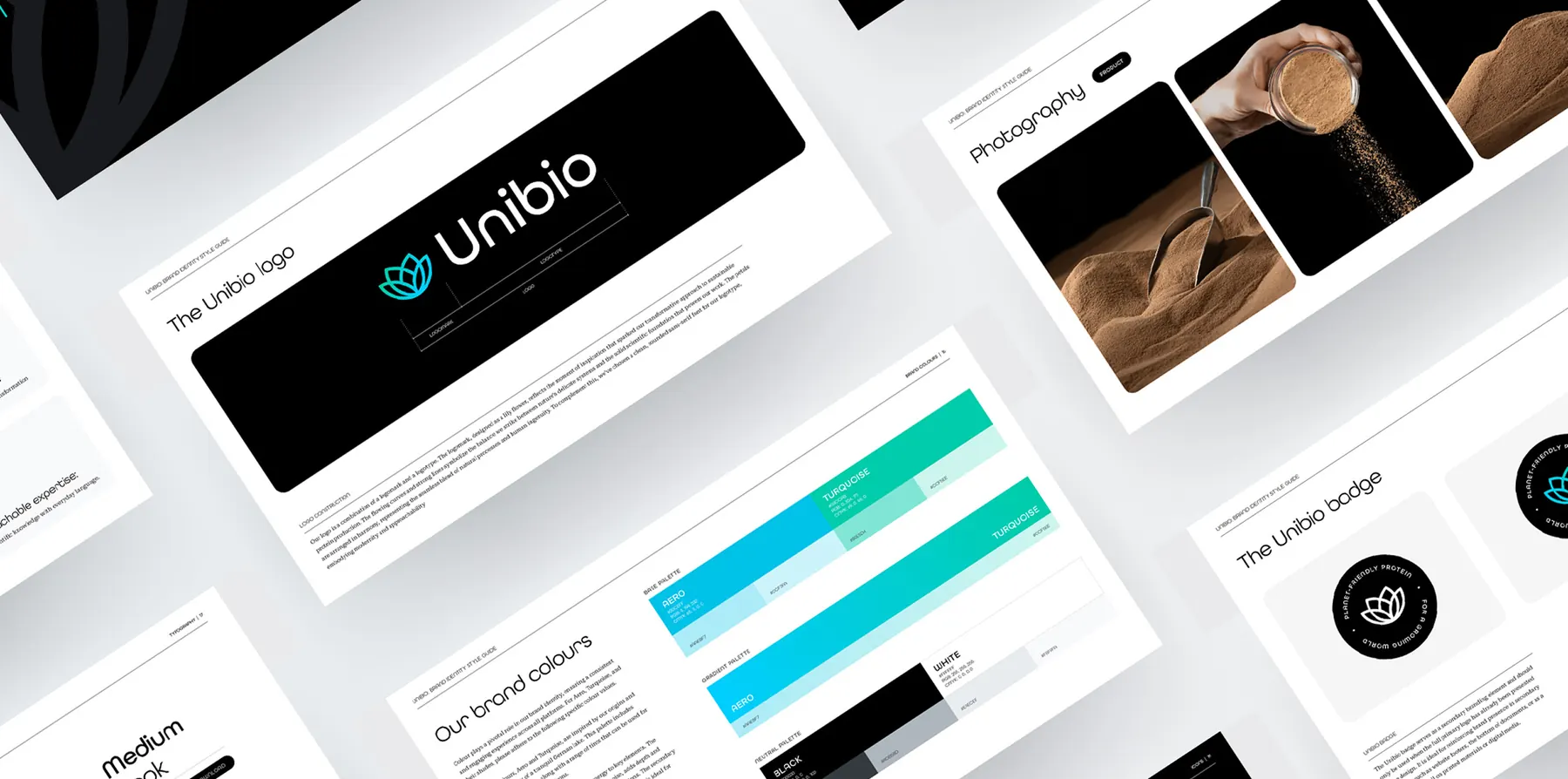
Aspyre Foods shows the shift in practice. Its early decks opened on cheese and a climate problem. The story moved to the food producers who need functional proteins they can rely on, which is the buyer who signs. The Aspyre case sets out that move.
What should the ingredient do for the buyer?
"Next-generation sustainable ingredient platform" describes a company. A buyer needs a promise about an application. That might be a texture improvement in a named product format, the replacement of a specific input, a target protein level at a given inclusion rate, a simpler formulation, stable performance under a defined process condition or a supply advantage over an ingredient with a volatile price.
Each promise has to match evidence from the intended application. Bench data in water tells a formulator very little about a baked good or a high-pressure extrusion line. When the evidence comes from a pilot with a customer, say so and name the format. When it comes from internal trials, say that too. A buyer who later finds the claim was tested somewhere else stops trusting the rest of the sheet.
How does cost in use change the price conversation?
A novel ingredient can cost more per kilogram and still create value. It may lower the dose needed, raise yield, remove a processing step, reduce waste or extend shelf life. A cheap input can still lose the business if it adds handling steps, a new allergen line or another supplier to qualify.
So position on the buyer's economics and leave unit price as one line in that case. Map what changes in their bill of materials and on their line when they switch, and show the arithmetic with its assumptions visible. Commercial and technical buyers can then check the case against their own numbers, which they will do anyway.
Integration is part of the offer
A food-tech product can perform in the lab and still be hard to adopt. The customer may need to reformulate, buy new equipment, change handling, qualify a new supplier, run consumer tests or redesign packaging. Each of those is a cost the buyer carries before any benefit arrives, and it belongs in the story.
A company that reduces that burden has a strong commercial argument. An ingredient that drops into an existing line at a known inclusion rate can beat a more novel one that asks the factory to change. Say plainly what the buyer has to change, and put the easiest route to a first trial on the page.
Supply and regulatory status belong near the decision
Food companies need dependable inputs. A buyer can like the sample and still decline to qualify a supplier that cannot explain capacity, feedstock, quality control and the plan for scale. Early companies should separate current capacity from planned capacity in plain terms. A plant in design is a plan, and buyers will price the risk of that plan into every conversation.
Regulatory status works the same way, and it sits with the commercial pages. The route differs by product and market. In the EU, novel foods go through authorisation under Regulation (EU) 2015/2283. In the United States, ingredients can rely on "generally recognised as safe" status, and the FDA runs a GRAS notification programme for it. A buyer needs to know which markets are open, which are pending, which uses are covered and what claims the finished product may carry. A science page is the last place a procurement lead will look for that.
Public funding shows how many companies are working through these steps at once. The Circular Bio-based Europe Joint Undertaking reported that 47 projects had received €287.8 million in EU funding for new food and feed ingredients. The European Commission has also stepped up action on the EU bioeconomy to help bio-based products scale. Moving any one of those ingredients beyond the laboratory still needs performance, regulation, manufacturing and buyer adoption to line up.
A public example of readiness in sequence
Solar Foods, which makes the protein ingredient Solein, shows how these signals can be released in an order a buyer can follow. The company announced that it had obtained self-affirmed GRAS status for Solein in the United States. It separately announced that it had submitted a GRAS notification to obtain a "no questions" letter from the FDA. Those are two distinct regulatory positions, and the announcements keep them distinct.
On supply, the company reported in October 2025 that its Factory 01 had reached its productivity targets. Each announcement answers one buyer question, about permission, capacity or commercial use, and each can be checked. Readiness positioning works like that. The claims arrive as evidence of a stage reached, and the reader draws the conclusion.
Environmental performance fits the same pattern. It carries weight for food companies with published climate or sourcing targets when it sits alongside specification, price and supply. State it with evidence, the comparison, the system boundary and who did the assessment.
Use a readiness stack
A B2B food-tech story can be organised as seven layers. Procurement, R&D and commercial teams can then read the same page and each find their own answer.
- Application. Where the ingredient is used and in which product formats.
- Performance. What it does in that application, with test conditions.
- Economics. How it changes cost in use.
- Integration. What the buyer must change in recipe, equipment or handling.
- Regulation. Where it can be sold, for which uses and with which claims.
- Supply. What capacity and quality systems exist today, and what is planned.
- Evidence. What has been tested, where and at what stage.
The platform story follows once these layers are clear. The first commercial wedge needs a named ingredient, a named buyer, a job it performs and evidence behind it. We cover choosing that wedge in food tech platform versus product.
What to do first
Sell the decision the buyer can take now. If commercial capacity is two years away, the immediate ask may be a qualification trial, a co-development project, an offtake discussion or a paid pilot. Name that stage on the website and in the deck, give it a clear next step and describe the company at the stage it has reached.
To test your own case, hand your current homepage and sales deck to someone in a buyer's R&D role and ask them to fill in the seven layers above. Every blank they leave is a question a real buyer will ask on the first call. Fill those in before you add anything about the platform. More pieces on this sector sit in the food, biotech and biomanufacturing library.
Brighter Future builds this kind of commercial positioning for food and biotech companies through our positioning work.
Sources and further reading
Tell us what needs to move.
Bring the brief if it is clear. If it is unclear, tell us where the work is stuck.
Bring us the problem