 01
01 02
02 03
03 04
04Sections
A climate company turns science into an investor case by translating each technical result into the question an investor is trying to answer. Investors rarely need the mechanism explained in full. They need to know what the mechanism makes possible, who will pay for it, what it will cost at scale and which risks the data has already retired. The science stays in the deck as evidence. The case is built from what the evidence proves.
Most technical founders reverse this. The deck opens on the process, spends its best minutes on how the technology works and reaches the market on slide fourteen. The investor has to do the translation, and many stop before they finish.
Step one. Name the outcome the science produces
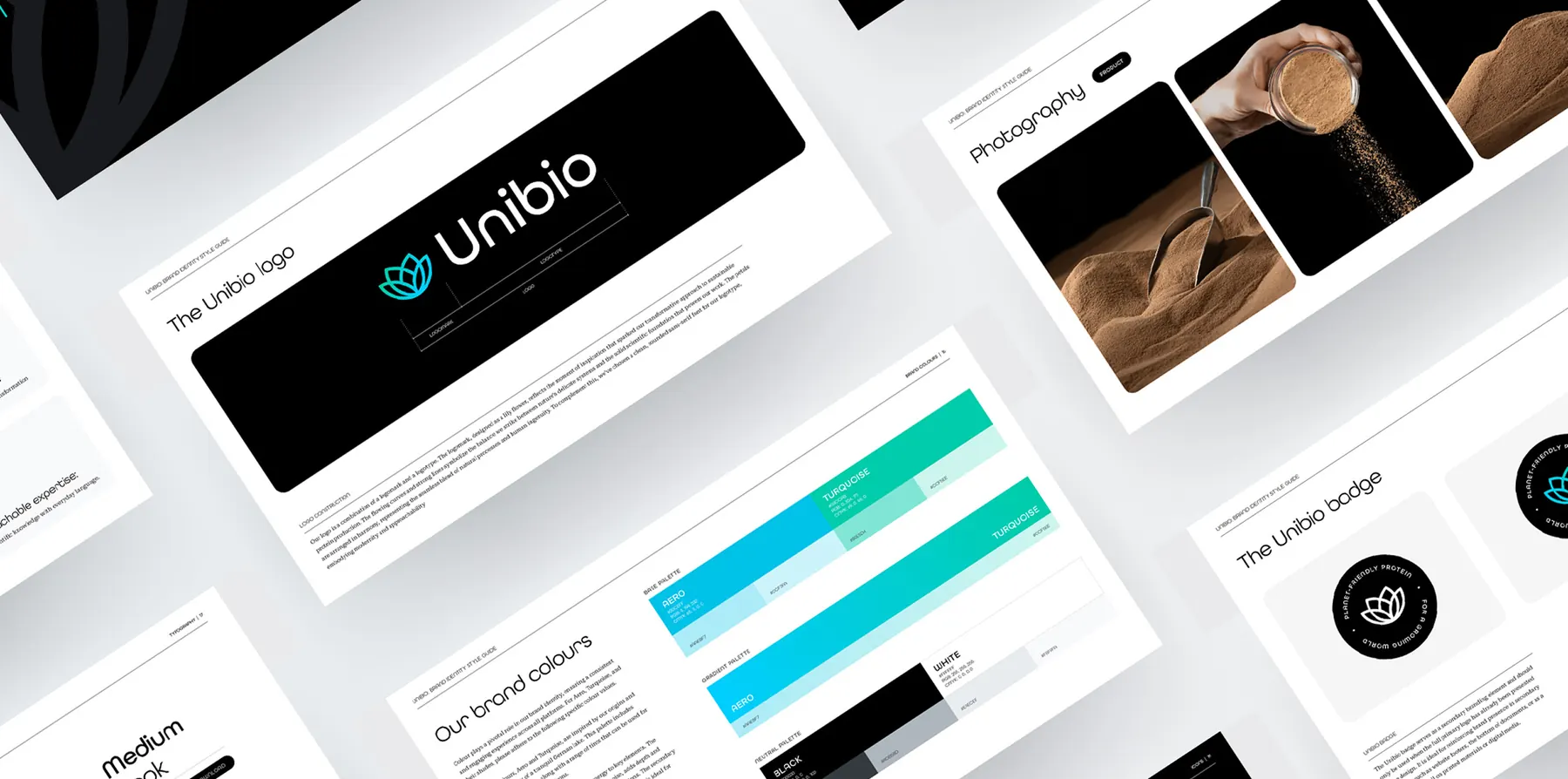
Start with the result a buyer would recognise. Unibio's story originally led with gas fermentation, a process that turns methane into protein. Scientists followed it. Investors and feed producers needed the product. We repositioned Unibio around the protein and used the technology as the proof behind it. The fermentation process did not disappear from the deck. It moved to the point where an investor asks why this protein can be made at scale.
A useful test is whether the first sentence of the deck would make sense to a buyer who has never heard of the technology.
Step two. Choose the metrics investors use
Scientific metrics and investment metrics overlap less than founders expect. Yield, purity, efficiency and removal rates matter because they drive cost, margin, capacity and reliability. Translate each one. A higher conversion efficiency becomes a lower cost per tonne. A longer sensor life becomes lower operating cost per site. A carbon removal figure becomes a volume of credits, a price range and a buyer.
Carbon and nature metrics need extra care. Hectares, tonnes and baselines only carry weight when an investor can see how they are measured and who checks them. Our piece on carbon MRV storytelling covers how to present measurement without burying the case in methodology.
Step three. Make the track record visible
Many climate companies hold more proof than their materials show. Fronterra develops and operates forest carbon and biodiversity projects in Peru. It had four projects across more than 1.6 million hectares of the Amazon and Andes, long-term concessions and projects listed on Verra. Its website still read like a mission-led initiative. The work moved that evidence to the front so investors and buyers could see an operator.
Proof that sits in an appendix, a data room or a founder's memory does no work in a first meeting. Our note on where the evidence sits goes further on placement.
Step four. Show which risks the data has retired
Climate and deep tech investors often examine several distinct risks, including technical performance, scale-up, market demand and financing. A useful deck shows which evidence addresses each one and which risks remain open. A pilot that ran for twelve months retires some technical risk and says little about unit economics at plant scale. An offtake letter retires some market risk and says nothing about whether the plant can be built on time.
Placing each result against the risk it retires lets an investor see what their money buys. The next milestone becomes the thing the round pays to prove. Why FOAK projects are hard to finance sets out how this works for first commercial plants.
Step five. Connect the case to a moment
A strong case also explains why now. Regulation, input costs, buyer commitments and technology readiness all shift the timing of a market. The science usually explains why the solution is possible. The case has to explain why the market will pay for it in the life of the fund. Building a why-now narrative covers the evidence that makes timing credible.
One vision, many concrete ways in
Large visions need concrete entry points. DNAir captures DNA from the air to show what lives around a site, and its founders saw uses across biodiversity, agriculture, biosecurity, public health and infrastructure. Investors needed the scale of that vision. Buyers needed one use they could act on. We positioned DNAir around biological intelligence and led each audience to a first concrete offer. The vision stayed intact and became easier to fund.
A quick check before the deck goes out
Read the deck as an investor with ten minutes. The first three slides should say what the company sells, to whom and why it matters now. Every technical slide should end on a consequence for cost, scale, risk or revenue. Every figure should say how it was measured. When any slide fails those checks, the translation is unfinished.
Brighter Future builds investor cases for climate, nature and science-led companies through its investor storytelling and pitch deck design work. What an investor deck has to make easy to decide covers the deck itself.
Tell us what needs to move.
Bring the brief if it is clear. If it is unclear, tell us where the work is stuck.
Bring us the problem