 01
01 02
02 03
03 04
04Sections
A first-of-a-kind climate project has to make six connected cases to different decision-makers. Brighter Future's FOAK Story System names them as technology, commercial, project, risk, capital and scale. Separating them shows which case is strong, which is weak, and which reader each one is written for.
Why split a FOAK project into six cases?
A FOAK project asks several institutions to coordinate around something with no mature precedent. A buyer, a lender, an engineering contractor, a public funder and an equity investor each look at the same plant and ask a different question. One pitch written for all of them tends to answer the investor's question and leave the others to find their own way through.
The split is also diagnostic. A project can have a strong technology case and a weak commercial case. It can have demand and still lack a financeable structure. It can have a credible first plant and no convincing path to the second. The framework is a tool for communication and decision design, and it sits alongside engineering, legal, commercial and financial diligence without replacing any of them. For the wider context on first commercial projects, start with what FOAK means in climate tech.
The technology case and the commercial case
The technology case establishes what has been demonstrated. It states what has run, at what scale, for how long and under which conditions. It separates measured performance from modelled performance and names what changes at commercial scale. Its job is to make the performance claim inspectable. A technical reviewer may want substantial depth, and an investor needs enough to understand the evidence and the scale-up questions that remain.
The commercial case shows who needs the output enough to pay for it. It names the buyer, the product they are buying, the specification that matters to them, what they use today, why they would change and what price is plausible. It also sorts demand evidence by status. Customer conversations, letters of intent, qualification results, contracted offtake and realised revenue each carry different weight, and the case should keep them apart so they never collapse into the single word traction. A technically successful plant can still fail commercially, so this case deserves as much work as the technology case.
The project case and the risk case
The project case is specific to a site. It covers where the plant will stand, which inputs, utilities and infrastructure it needs, who engineers and builds it, which permits apply, how it integrates with a host or surrounding system, and who will operate it. A venture story can stay general on these points. A project decision needs names and dates, and the project case turns "our technology scales" into a delivery proposition.
The risk case maps where the uncertainty sits and what has been done about it. It shows what is proven, what is estimated from adjacent evidence, what is covered by warranties or contracts, and what remains ambiguous. It also shows which party holds each exposure, whether that is the engineering contractor, a supplier, the host, the buyer, an insurer, the company or the project vehicle. A single red box labelled "technology risk" tells a lender almost nothing. A map of exposures, owners and mitigations gives the lender something to underwrite.
The capital case and the scale case
The capital case explains why each exposure belongs with a particular provider at this stage. It shows what equity must absorb, which parts could support debt, what public or catalytic capital is solving, and which milestones change the risk profile. Public programmes are explicit about their role here. The US Department of Energy's Loan Programs Office describes its Title 17 programme as a way to deploy innovative clean energy technologies at commercial scale, and Prime Coalition launched Trellis Climate to accelerate first-of-a-kind climate projects through catalytic capital. "We need £80 million" is a number. The capital case is the reasoning that tells each provider why its part of that number fits its mandate, and it should be built with qualified finance advisers.
The scale case shows what project one proves for project two. It names what gets standardised, which costs should fall, which risks become easier to price, which contracts can be repeated and what new evidence the first plant will produce. It is the case that turns a first asset into the start of a repeatable system. The IEA has argued that energy innovation has a commercialisation problem, and the scale case is where a company shows how its first plant helps solve that problem for its own technology. From FOAK to NOAK develops this case in full.
One evidence spine, different cuts
Separating the cases keeps one version of reality. The team builds a single evidence register and maps each item to the cases it supports. Pilot data may support the technology and risk cases. A customer qualification result may support the commercial and scale cases. Engineering design work may support the project and risk cases, and a signed offtake can support the commercial and capital cases, depending on its actual terms. The same evidence can serve more than one case as long as no case asks it to prove more than it can.
Each reader then gets a cut drawn from the same register. An offtaker cares mainly about specification, delivery timing, price and reliability. A lender focuses on contracts, cash flows, completion, counterparties and downside protection. A government funder weighs additionality, public value and industrial strategy alongside viability. An equity investor looks for company-level value and the repeat deployment path. One source, different cuts, different decisions. The FOAK stakeholder map follows these readers in detail.
How the cases interact in a live project
Carbios shows why the cases have to be read together. Its August 2026 update on the Longlaville plant set bank credit committee approvals beside a missed financial close target, after progress on technology, commercial contracts and public support. Each of those belongs to a different case, and none can stand in for another. A FOAK story has to show how the pieces fit and which one is currently holding the others back.
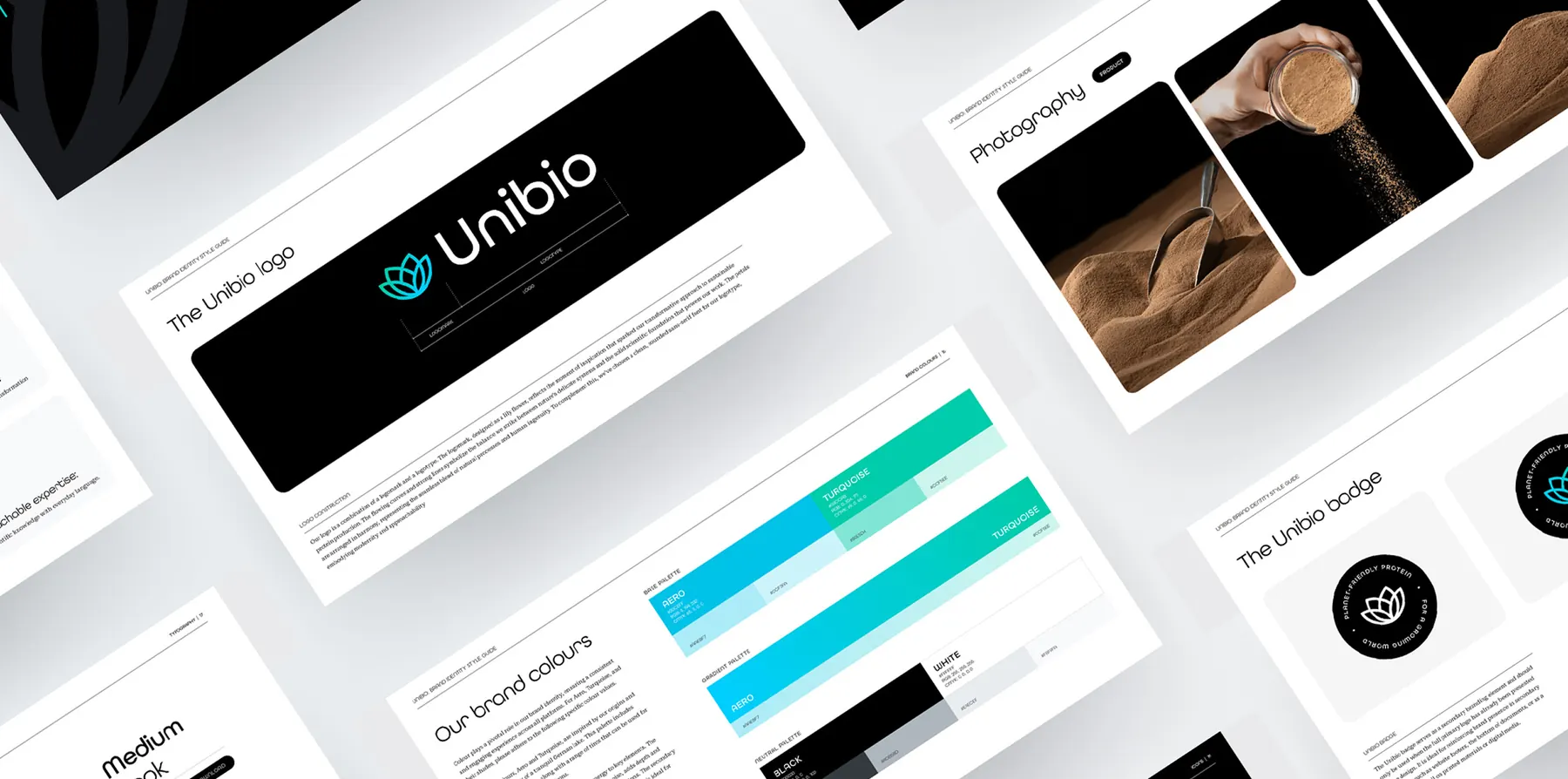
Order matters too. Our work with Unibio shows it. Unibio uses gas fermentation to make protein for animal feed, and a company built on a process like this can easily lead with the process. Feed producers buy protein. We repositioned the company around the protein product, with the technology as the evidence behind it, under the line "Lead with protein. Let the technology prove it." In FOAK terms, the commercial case went first for the buyer, and the technology case moved into the role of proof.
Use the system to find the weak case
Score each case on clarity, whether a relevant reader can follow it, and on substance, whether enough evidence or structure stands behind it. A case that is clear and thin should become a workstream, and no amount of polish will make it strong. A weak commercial case sends the team closer to buyers. A weak project case means developing the project. A weak capital case needs finance specialists, and a vague risk case needs the exposure broken apart. Communication earns its place here by revealing the gap.
The six cases then read as one line each.
Technology: it works.
Commercial: someone needs it.
Project: this facility can be delivered.
Risk: the uncertainty is understood.
Capital: the exposure fits the structure.
Scale: the first project creates the next one.
The outputs may include a deck, a project memo, a data room, buyer material and a financing package, all drawn from one register. Brighter Future builds these through its pitch and investor work.
Sources and further reading
Tell us what needs to move.
Bring the brief if it is clear. If it is unclear, tell us where the work is stuck.
Bring us the problem