 01
01 02
02 03
03 04
04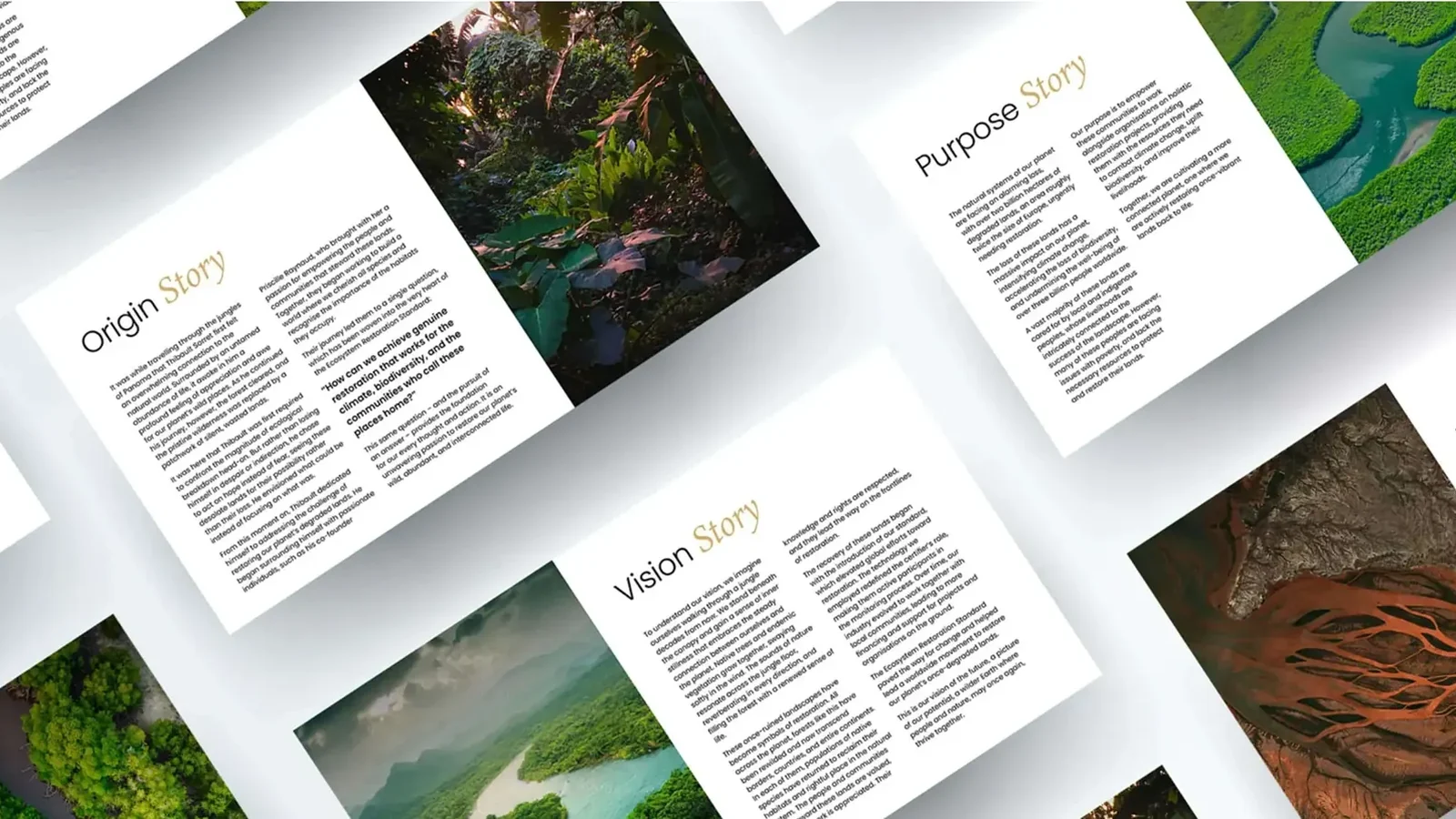
Sections
The new position has to survive a homepage, a founder interview, a sales conversation, an investor deck, a partner email, a press release and the way somebody on the team explains the company three weeks later. If those surfaces are being built from different versions of the strategy, the identity can look finished while the organisation still sounds unresolved. That is why the launch begins before launch week.
Build the source before the outputs
One of the core principles in our Story System is to build the deep source first, then extract the deployed version. If a short version feels thin, adding adjectives rarely fixes it. The source needs more depth, and a rebrand launch works the same way.
Before separate teams start writing separate assets, the organisation needs a shared source underneath them. Leadership should be able to agree what the company is now, what changed, what remains true, who matters most, what those audiences need to understand, what can be proven, what remains uncertain and what the organisation wants people to do next.
That source needs enough depth for each later asset to be cut from the same truth, and it can stay well short of a giant messaging document. Consistency then means the same underlying position survives the cut, whatever paragraph each team writes.
Different channels need different parts of the story
A company has more than one story. Our Story System separates six because they do different jobs. They are Origin, Purpose, Vision, Customer, Product and Impact. A launch becomes cluttered when all six are forced into every channel.
A founder speech may need Origin, Purpose and Vision. A sales deck may need Customer, Product and Impact. A press release may need the change, why it matters now and one piece of proof. An investor update may need Product, evidence, risk and the next milestone. The stories remain connected while the mix changes.
The same is true of depth. The website can carry the full system. Press needs the part that is genuinely newsworthy. Partners need to understand what changes for them, and internal teams need language they can actually use after the launch assets stop doing the explaining. The channels can differ, and the job is to stop them becoming contradictory.
Make the memorable parts deliberate
There is useful neuroscience behind vivid communication, but it is often overstated. We do not use the popular claim that stories are remembered 22 times better than facts as a hard scientific multiplier.
The more useful evidence is simpler. Concrete narrative can recruit sensory and motor systems as people mentally simulate what they hear, and research associated with Uri Hasson and colleagues has shown patterns of listener activity tracking the speaker during successful communication.
The practical lesson is to keep a rebrand free of theatre and make its important moments specific enough to be experienced. "The last few years were challenging" carries little. "We rebuilt the same investor explanation every week because nobody described the company the same way" gives the audience something concrete to picture.
From Story to Stage adds another principle from memory research. People remember an experience unevenly, and the peak and the ending carry disproportionate weight. For a launch, that means deliberately choosing the moment people should remember and the line they should leave with.
Unibio needed one strategic shift to survive many surfaces
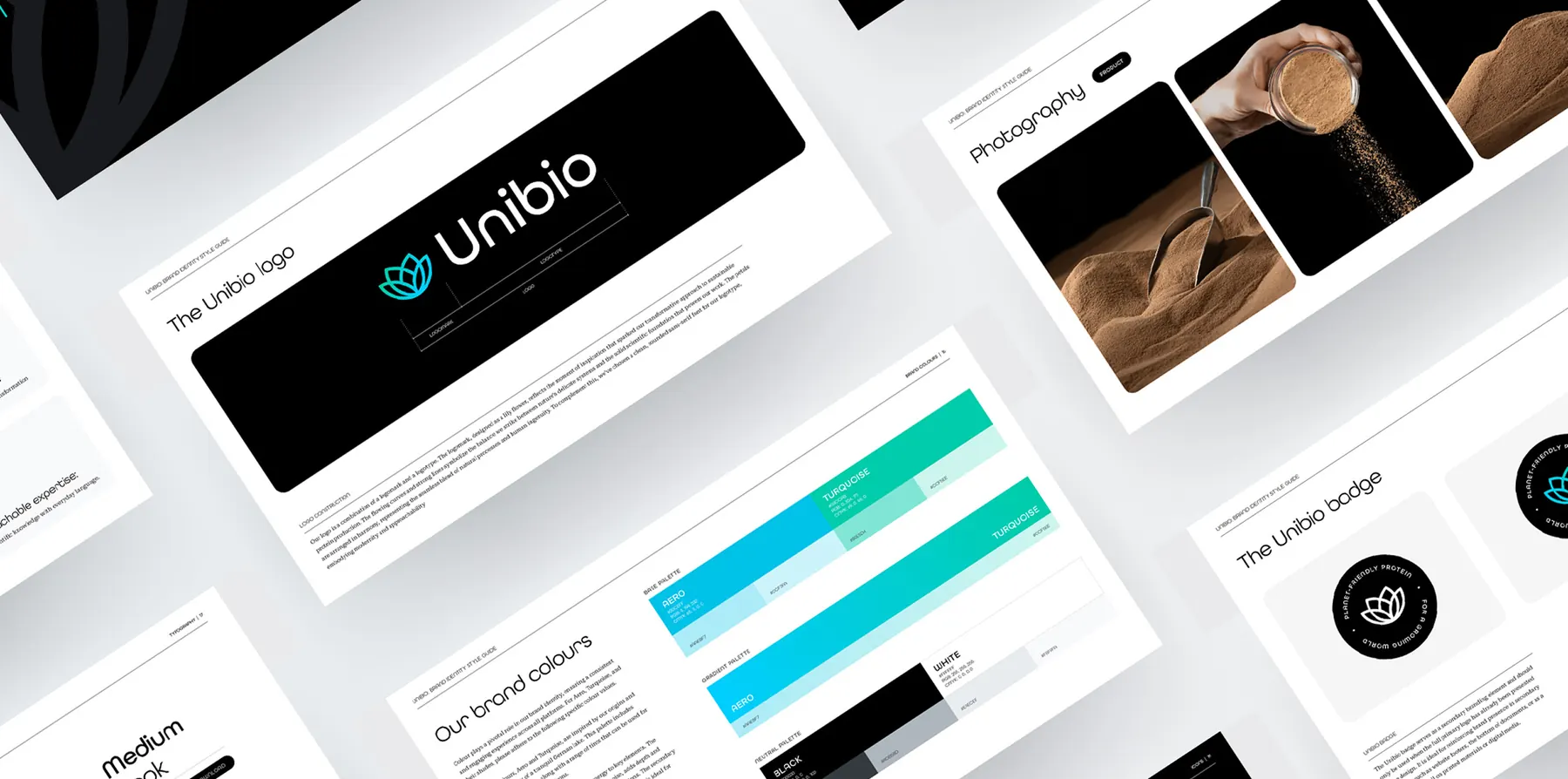
In our work with Unibio, leadership workshops helped establish direction, vision, mission and values before the new story moved into identity, website, press and collateral. The strategic shift was this.
Lead with protein. Let the technology prove it.
Gas fermentation stayed as important as before, and the shift changed the order in which different audiences met it. A feed producer could meet the product first. An investor could understand the opportunity and then inspect the technology, and a technical audience could go deeper into the fermentation platform. The source remained stable while the depth changed.
ERS presented a different version of the same challenge. Wildsense was becoming Ecosystem Restoration Standard, and the name, institutional position, identity, website, speeches, press releases and brochures all had to reinforce the same new role. If the name said "standard" while the wider communication still behaved like an early initiative, the change would not hold. The launch therefore turned on the coherence between those assets.
Launch day is the beginning of adoption
The public should rarely be the first group to hear the new story. Leadership needs to agree it and internal teams need to understand it. Important customers and partners often need to hear what changes for them before the wider market does.
Then the first month becomes the real test. Old decks reappear, partner pages use the old boilerplate and sales teams improvise. Search results still surface previous language, recruitment material lags behind and leadership biographies still tell an earlier version of the organisation.
A launch plan should therefore include the material that lives beyond the campaign. That means company descriptions, decks, templates, partner listings, social profiles, recruitment material, downloadable PDFs, event presentations, sales documents, investor materials and search metadata. Then listen for repeated confusion. If the same question keeps appearing, the problem may sit in the story itself.
Measure whether the organisation can now carry the brand
Traffic, coverage and social engagement can be useful. A strategic rebrand also needs operating signals. The leadership team should be able to explain the position consistently, and a salesperson should be able to use the new system without rewriting the company from scratch.
An internal champion should be able to forward the material and still have the case survive. Customers should describe the company back more accurately. The team should be able to create the next asset without returning to the agency for every decision.
A launch succeeds when a strategic decision becomes shared language. The reveal makes the change visible, and adoption makes it real.
Tell us what needs to move.
Bring the brief if it is clear. If it is unclear, tell us where the work is stuck.
Bring us the problem