 01
01 02
02 03
03 04
04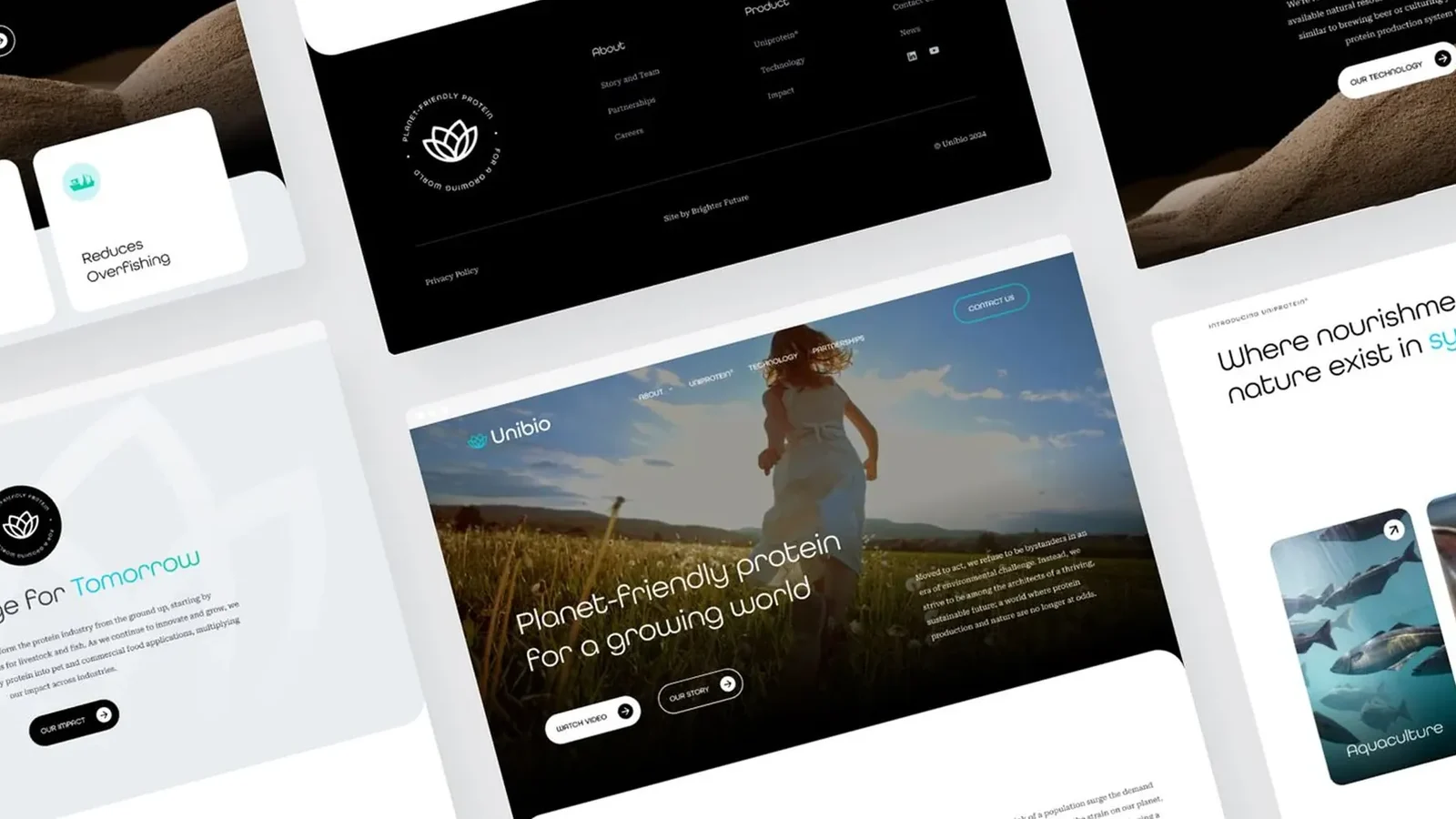
Sections
All four may be accurate. The problem appears when the audience cannot tell whether they are different doors into the same company or genuinely different definitions of what the company is. Positioning gives those rooms a shared centre.
Positioning is a source, not a script
A position settles a small number of fundamental decisions. It defines what the organisation is, who it is for, what role it plays, what is distinct about that role, what it can prove and what somebody should understand before comparing it with alternatives. Those decisions become the source material, and the deployed message then changes with the room.
That is close to the logic in From Story to Stage, which builds one deep source and then adapts the job, depth and ending to the audience in front of you. Consistency then means the company remains recognisable as the same company after the adaptation, whatever paragraph each room hears.
Different rooms need different stories
Our Story System separates six stories because they do different jobs. They are Origin, Purpose, Vision, Customer, Product and Impact. An investor may need Product, Customer, Vision and evidence, and a corporate buyer may need Customer, Product and Impact. A technical reviewer may need Product, evidence and boundaries, and a new employee may need Purpose, Vision and Origin.
The mix changes, and so does the length. Purpose and Product can often compress to a line. Origin and Impact usually need the telling. Vision and Customer often need enough room for a scene or lived situation.
This matters because over-compression can damage the story. A Customer Story reduced too far becomes a sales claim. A Product Story stretched too far becomes a feature tour. The source gives the company coherence, and selection gives the communication relevance.
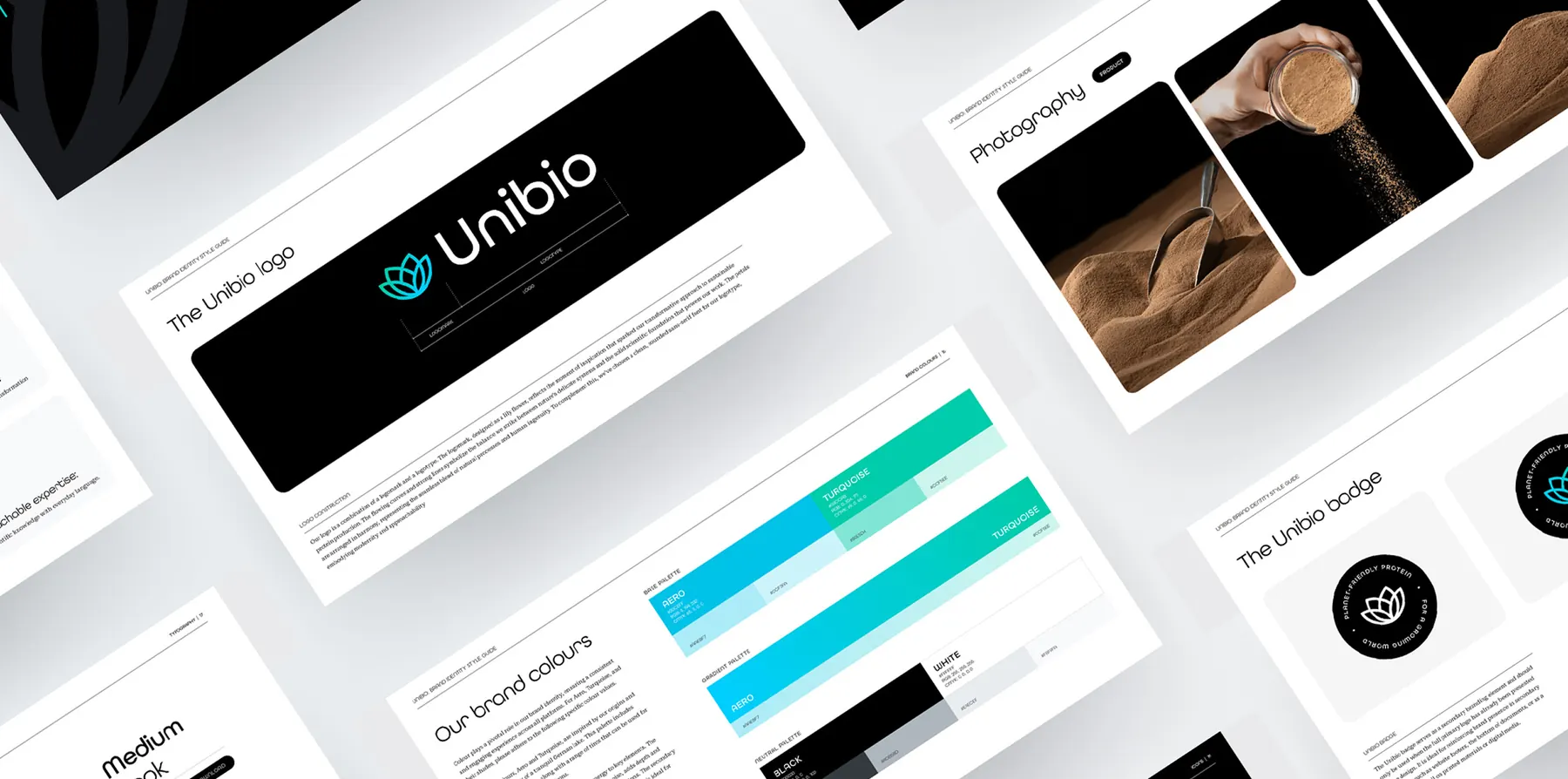
Unibio changed what came first
Unibio had deep expertise in gas fermentation, and its public story led heavily with that technology. The next stage depended on investors, feed producers and partners understanding the protein product and the commercial opportunity around it. The strategic shift followed from that.
Lead with protein. Let the technology prove it.
The technology stayed, and its role in the story changed. Feed producers could enter through the product. Investors could enter through opportunity, product and scale. Technical audiences could go deeper into fermentation. The position held those routes together.
Fronterra had a related challenge. Buyers, investors and partners needed different levels of information, but they still needed one clear understanding of what the company actually does. The organising idea became three words.
Originate. Engineer. Operate.
A buyer could inspect projects and delivery. An investor could look at track record, pipeline and the next stage. A partner could understand where Fronterra sits across the life of a project. The website and investor material then carried the same operating logic at different depths. One positioning test is whether the same idea can survive both the homepage and diligence.
Build for the room after the room
The most consequential audience can be someone other than the person directly in front of you. In our work with Eeden, the pitch to a major fashion brand had to travel beyond the first conversation. The person who understood the opportunity might still need to carry it into procurement, technical, legal and budget discussions.
That changes how the story is built. An internal champion needs to be able to explain what this is, why it matters here, what is proven, what remains risky and what the next commitment should be. If the case collapses as soon as the founder leaves the room, the message is not yet portable.
Specificity helps. Research on vivid narrative and speaker-listener neural coupling is useful here when treated carefully. Shared understanding becomes easier when people have something concrete to picture.
"Improve circularity across the value chain" is difficult to carry. "A buyer needs reliable recycled-fibre supply before the plant can be financed" gives the room a system it can actually hold and repeat. The goal is a shared mental model.
Watch for story drift
Message systems usually break down gradually, through drift. One team says platform and another says product. A deck targets one customer and the website targets another. The CEO introduces a new category phrase that exists nowhere else.
Each difference looks minor by itself, but together they force the audience to resolve contradictions. A quarterly check across the homepage, sales deck, investor material, company boilerplate, leadership biographies, partner communication and latest press can reveal where the source has split. Some differences will be useful adaptations, and others are unmanaged drift.
The final test is what people say back to you. Different audiences can use different words, and they should still describe the same company.
Tell us what needs to move.
Bring the brief if it is clear. If it is unclear, tell us where the work is stuck.
Bring us the problem